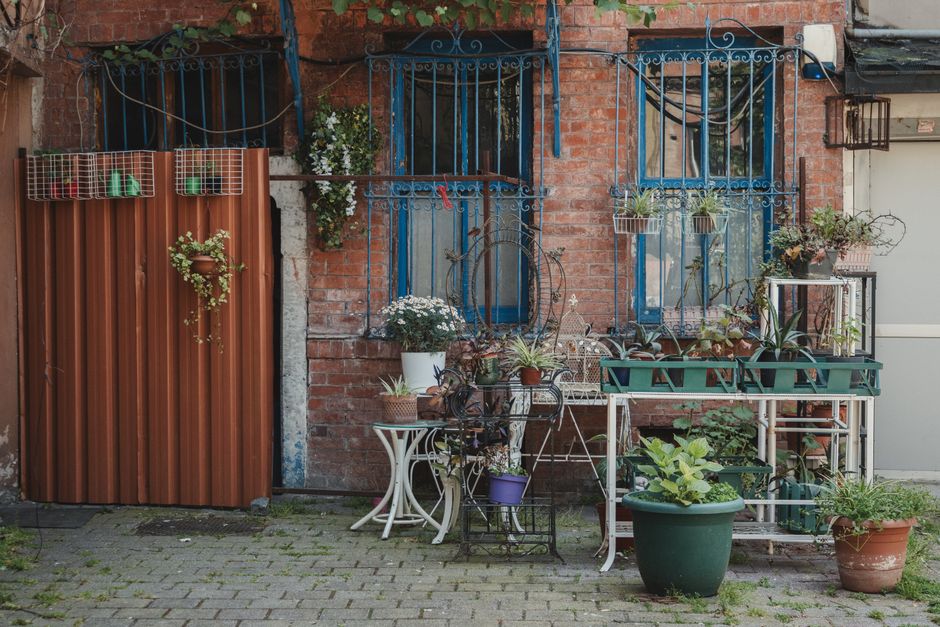
Belgravia gardeners for balcony and courtyard care SW1W
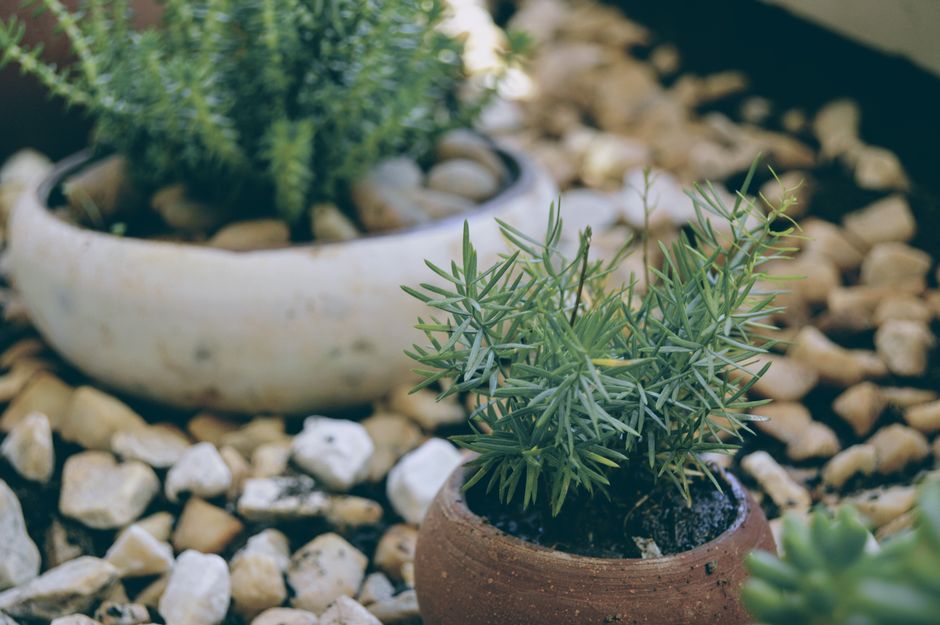
If you live in Belgravia, you already know the charm of a balcony or courtyard can be just as valuable as a larger garden. A small outdoor space in SW1W can be a quiet morning coffee spot, a place for herbs and scent, or the one green corner that softens a very urban view. The trouble is, compact spaces are rarely simple. Wind funnels between buildings, pots dry out quickly, shade can be deeper than you expect, and one neglected weekend can leave things looking a bit sorry for themselves.
That is where Belgravia gardeners for balcony and courtyard care SW1W make a real difference. Good care is not just about watering and trimming. It is about choosing the right planting, managing drainage, keeping containers healthy, shaping the space through the seasons, and making sure every square foot works hard without feeling crowded. In this guide, you will find practical advice, common mistakes to avoid, a simple step-by-step approach, and what to expect from a professional service that understands local conditions.
Truth be told, small spaces can be the most demanding. They also tend to be the most rewarding.
Why Belgravia gardeners for balcony and courtyard care SW1W Matters
Balcony and courtyard planting is not a scaled-down version of garden care. It is a different discipline altogether. In a place like Belgravia, outdoor areas often sit between brick walls, railings, and tall buildings, which changes light, airflow, temperature, and watering needs. A courtyard can feel sheltered one week and unexpectedly draughty the next. A balcony can scorch in bright summer sun, then become bitterly exposed after a cold snap. The plants notice all of it.
That is why local knowledge matters. A gardener who understands SW1W is likely to think first about container weight limits, irrigation routines, drainage, plant resilience, privacy, and how often the space is actually used. Those details sound small. They are not. A handsome planting scheme that fails because the soil stays waterlogged, or because the owner is away half the month, is not a success story. It is just an expensive reset waiting to happen.
There is also the visual side. In Belgravia, many homes rely on their outdoor spaces to soften hard architecture and create a more welcoming atmosphere. A tidy courtyard with layered planting can make a narrow terrace feel calm and deliberate. A balcony with well-chosen pots can turn an overlooked corner into something that feels curated and lived-in. Even a simple windowbox and a few evergreen containers can shift the whole mood of a property.
Expert summary: the best balcony and courtyard care is part horticulture, part design, and part routine management. When those three work together, the result is stable, attractive, and far easier to maintain through the year.
If you are comparing services, it is sensible to look beyond the obvious. The wider services overview gives a useful sense of how different garden care needs can be handled under one roof, from regular upkeep to more specialised work.
How Belgravia gardeners for balcony and courtyard care SW1W Works
Most professional balcony and courtyard care starts with an assessment. That is the sensible bit. A gardener will usually look at light levels, exposure to wind, available storage, drainage, the size and condition of containers, soil quality, and the types of plants already in place. They may also ask how often you are at home, whether you want low-maintenance planting, and whether you prefer flowers, herbs, structured evergreens, or a more seasonal look. There is no point designing a lush scheme for someone who is away every other weekend and hates deadheading. Let's not pretend otherwise.
From there, the work typically falls into a few strands:
- Plant selection and layout: choosing species suited to the light and exposure.
- Container care: checking drainage, refreshing compost, and making sure pots are stable.
- Watering and feeding: setting a rhythm that matches the weather and plant needs.
- Pruning and deadheading: keeping growth healthy and encouraging repeat flowering.
- Pest and disease checks: spotting trouble early before it spreads.
- Seasonal updates: swapping tired planting for fresh combinations as the year changes.
In a courtyard, the focus may also include training climbers, cleaning hard surfaces, and managing moss or leaf build-up that makes the space look tired. On a balcony, the emphasis is often on wind tolerance, weight distribution, and ensuring that watering does not become a daily hassle. Small space, big consequences. It really is that simple.
Some clients want a recurring maintenance plan. Others just need a seasonal reset or help getting a neglected space back on track. In either case, the process should feel calm and structured, not rushed. If you are unsure about timing or cost, it can help to review pricing and quotes before booking so you understand how the service is usually scoped.
Key Benefits and Practical Advantages
Good balcony and courtyard care does more than make things look tidy. The practical gains are easy to underestimate until you stop getting them.
1. Better plant survival
Professionally managed pots and compact beds are more likely to stay healthy because watering, feeding, and pruning are done with the space's actual conditions in mind. That matters in Belgravia, where exposure can vary a lot from one property to the next.
2. Less waste
Plants that are wrongly placed, overwatered, or underfed often need replacing far sooner than they should. A proper maintenance plan reduces trial-and-error, which saves money and avoids that familiar cycle of buying cheerful plants in spring, then watching them struggle by July. Annoying, but common.
3. A better-looking property
A neat courtyard or balcony can lift the whole impression of a home. If you host guests, work from home, or simply enjoy opening the door to a space that looks cared for, the difference is immediate.
4. Easier everyday use
Balanced planting should not block access, make surfaces slippery, or create clutter. The best setups are attractive, but also practical. You should be able to step out with a mug of tea and not feel as if you are navigating an obstacle course.
5. Stronger seasonal interest
Compact spaces benefit from planned layers of interest: spring bulbs, summer colour, autumn structure, winter evergreens, and perhaps fragrance close to the door. Done well, the space never feels flat.
6. More confidence
People often know when a balcony or courtyard is not quite right, but not how to fix it. Working with a gardener brings clarity. You get a plan, rather than a vague sense that things need doing.
Useful rule of thumb: if your outdoor space feels too hot, too dry, too dark, or too cramped, the answer is rarely "just add more plants." The right plant in the right place is the real win.
Who This Is For and When It Makes Sense
Belgravia gardeners for balcony and courtyard care SW1W are a good fit for a wide range of people, not just homeowners with elaborate planting schemes. In fact, some of the most practical clients have the simplest needs.
- Residents with busy schedules: if you are travelling often or working long hours, regular care keeps planting from slipping.
- Homeowners preparing for guests or sales: tidy outdoor space can make a property feel well-kept and cared for.
- People with limited gardening knowledge: if you know what you like but not how to maintain it, expert support saves time and stress.
- Tenants or landlords: if a balcony or courtyard is part of the overall presentation, routine care can protect the condition of the space.
- Older residents or anyone with mobility limits: lifting compost bags, shifting pots, and climbing step stools can become awkward. Better to have a safe, manageable system.
- Anyone with a neglected space: perhaps the last season got away from you. Happens to the best of us.
It also makes sense when your existing planting no longer suits the conditions. Maybe the balcony gets more sun than you thought. Maybe the courtyard is much shadier. Maybe your pots are beautiful but far too shallow for long-term planting. These are all classic reasons to bring in a gardener for a reset rather than keeping on with the same arrangement and hoping for the best.
If you want to understand the business behind the service as well as the work itself, the about us page is useful for seeing the approach and values behind the service.
Step-by-Step Guidance
If you are starting from scratch, or trying to rescue a tired space, this simple sequence works well in most Belgravia balconies and courtyards.
1. Assess the conditions honestly
Start with light, wind, shade, access, and drainage. A space can look sunny in the morning and be in shade by lunchtime. Courtyards often hold more moisture than expected. Balconies may dry out quickly. Write down what you see over a few days if necessary. A little observation goes a long way.
2. Decide what the space is for
Ask yourself whether you want a place for sitting, entertaining, growing herbs, or simply adding greenery. That decision shapes everything else. A sitting area needs more breathing room. A culinary herb corner needs easy access. A decorative courtyard may need stronger year-round structure.
3. Check containers and hard surfaces
Make sure pots are stable and have proper drainage. Lift pots with care; waterlogged containers can become surprisingly heavy. In courtyards, look for pooling water, slippery paving, or staining beneath planters. You want beauty, not maintenance headaches.
4. Choose plants for the real conditions
Do not choose only by colour. Choose by light, exposure, root space, and maintenance level. In a windy balcony, resilient grasses, evergreen structure, and tougher flowering plants often do better than very soft, delicate choices. In a shaded courtyard, foliage and texture may matter more than big bursts of bloom.
5. Build a watering plan
This is where many compact spaces fail. Pots dry faster than borders, and summer heat can catch people out fast. A gardener may recommend mulching, drip irrigation, water-retaining compost, or simply a more disciplined watering rhythm. Whatever the method, consistency matters.
6. Maintain lightly, but regularly
Deadhead, prune, check for pests, remove fallen leaves, and refresh tired displays before they become depressing. A few minutes at the right time is easier than a big rescue job later. You know the type of thing: you look away for two weeks and suddenly everything is flopping around like it had a bad night out.
7. Review each season
Seasonal change is especially important in small spaces. What works beautifully in May may look exhausted by late August. A good gardener will adjust planting and care routines through the year so the space never feels abandoned.
Expert Tips for Better Results
There are a few things experienced gardeners tend to notice quickly in SW1W properties. They are not glamorous, but they make a real difference.
- Use larger pots where possible: bigger containers hold moisture more steadily and give roots more room. Tiny pots look neat for about five minutes, then become needy.
- Mix evergreen structure with seasonal colour: this prevents the space from looking empty outside peak flowering months.
- Group pots by watering need: it is easier to care for plants with similar requirements together.
- Leave some negative space: cramming every corner with planting can make a balcony feel smaller than it is.
- Think in layers: low plants, mid-height planting, and a vertical element such as climbers or a trellis can make a compact space feel richer.
- Watch the wind: tall, top-heavy plants may look impressive in a nursery and then collapse in a breezy courtyard. Happens more than people think.
- Refresh compost regularly: containers lose nutrients faster than ground planting, so top-ups matter.
A sensible local gardener will also consider how the space is used day to day. If the balcony catches the evening sun, scented planting near seating can be a lovely touch. If the courtyard is entered through a kitchen, herbs and edible plants may be easier to enjoy if they are placed close to hand. These small decisions are often what make a space feel personal rather than just decorated.
For clients who want a more sustainable routine, it may also be worth reviewing the company's recycling and sustainability approach. In practice, that can matter when old compost, plant waste, and packaging need handling responsibly.
Common Mistakes to Avoid
Even attractive balcony and courtyard spaces can go off course for very ordinary reasons. The good news is that most of the mistakes are avoidable once you know what to look for.
- Choosing plants for looks alone
That glossy rosemary or delicate fern might be perfect in theory, but if the space is too exposed or too dry, it will struggle. - Using containers without proper drainage
Roots sitting in water is one of the fastest ways to lose healthy plants. - Overcrowding
A space packed to the edges can look busy for a while, then cluttered, then hard to maintain. Less can genuinely be more. - Ignoring seasonal change
A planting scheme that looks great in one season may need reworking for the next. - Forgetting access and safety
Pots should not block routes, interfere with doors, or create trip hazards. - Underestimating maintenance time
A lovely balcony is still a living system. Someone has to water it, check it, and tidy it. Nature does not do admin. - Letting problem plants linger too long
If something is diseased, rootbound, or constantly unhappy, replacing it can be kinder and cheaper than nursing it forever.
One small but common issue is drainage trays left full of water. Another is using saucers or decorative pots that trap moisture without realising it. These are tiny details, but they can make a perfectly respectable plant slowly give up. No drama, just a slow decline. A gardener worth hiring will spot this quickly.
Tools, Resources and Recommendations
You do not need a huge toolkit to care for a balcony or courtyard well, but a few items make life easier. Whether you are doing some of the work yourself or relying on a professional, these basics help.
| Item | Why it helps | Best use |
|---|---|---|
| Long-spouted watering can | More accurate watering without splashing | Balconies, tight corners, pots near doors |
| Hand trowel and secateurs | Useful for planting, pruning, and deadheading | Routine light maintenance |
| Good-quality compost | Supports healthy roots and better moisture balance | Container refreshes and new planting |
| Mulch or top dressing | Helps retain moisture and improve appearance | Summer upkeep and seasonal tidy-ups |
| Stable plant stands or risers | Improves drainage and prevents surface staining | Courtyards and paved areas |
| Soft brush and cloth | Keeps leaves, pots, and surfaces looking cared for | After windy or wet weather |
For homeowners who prefer a fully managed service, the most useful resources are usually not tools but systems: a clear maintenance plan, sensible plant labels, seasonal refresh dates, and easy communication. A trusted provider should also be clear about health and safety policy arrangements, especially where access is tight or work involves lifting, ladders, or awkward containers.
If you are planning a first visit or regular arrangement, it is also sensible to check practical details such as payment and security and any terms and conditions. Not thrilling reading, admittedly, but very useful.
Law, Compliance, Standards and Best Practice
For most balcony and courtyard care, the main compliance concerns are practical rather than dramatic. In plain English: the work should be safe, lawful, and considerate of the building and its occupants. If a gardener is moving heavy pots, working at height, using tools, or carrying materials through shared access, they should be doing so carefully and with proper insurance in place.
In a London setting, it is also wise to think about building rules, lease conditions, and any restrictions relating to shared areas. Some properties have quiet hours, access protocols, or limitations on storage and disposal. A professional gardener should be comfortable working within those boundaries without making a fuss about it. That is just part of doing the job properly.
Waste handling matters too. Compost, broken pots, cuttings, and packaging should be disposed of responsibly. Where possible, reuse and recycling are sensible. The aim is tidy, efficient care, not a trail of bags and debris down the corridor.
From a trust point of view, it helps if the business is transparent about its insurance and safety arrangements, and clear about service standards. If you are ever unsure, ask direct questions. A reliable provider should answer calmly and plainly. If they dodge the question, that tells you something too.
For added reassurance, you may also want to check a provider's commitments around privacy, accessibility, and complaints handling. Those pages are not about plants, of course, but they are part of a well-run service. You can review the relevant information here: privacy policy, accessibility statement, and complaints procedure.
Options, Methods, or Comparison Table
Not every balcony or courtyard needs the same level of care. Sometimes the right choice is a simple tidy-up. Sometimes it is a full redesign with ongoing maintenance. Here is a practical comparison to help you think it through.
| Approach | Best for | Pros | Trade-offs |
|---|---|---|---|
| One-off tidy and reset | Neglected spaces or seasonal refreshes | Quick impact, good starting point | Needs follow-up care to stay effective |
| Regular maintenance visits | Busy households and established planting | Consistent results, fewer plant losses | Ongoing cost and scheduling |
| Seasonal planting updates | Clients who want fresh interest through the year | Varied colour and texture, more flexibility | Requires planning and occasional replanting |
| Full redesign and planting plan | Spaces that are not working at all | Tailored to light, use, and maintenance needs | More initial work and decision-making |
In many Belgravia homes, the most practical route is a mix of methods: a proper initial setup, then lighter recurring care. That way the space has structure from the start and does not rely on constant emergency fixes. Nobody really wants to be replanting the same tired pots every few months. It gets old.
Case Study or Real-World Example
Here is a realistic example from the kind of work that often comes up in SW1W. A courtyard had become a bit of a mismatch: some pots were oversized, others were too small, a few plants had outgrown their containers, and the planting style had drifted over time. It was not a disaster. Just tired. The sort of tired that creeps up quietly.
The first step was to remove anything that was failing, assess the light, and decide which containers could be kept. The space was shaded for much of the day, so the planting plan shifted toward shade-tolerant foliage, structured evergreens, and a few seasonal accents for colour. The older pots were cleaned and grouped more logically, leaving a clearer route through the space. A simple watering routine was set, with a reminder to check moisture rather than watering automatically every day.
By the time the work was finished, the courtyard felt more open, calmer, and easier to maintain. That was the biggest improvement, actually. Not more flowers, but less friction. The owner no longer had to wonder what to do each week; the space had a rhythm again.
That sort of result is typical when the gardener understands both the planting and the practical use of the space. It is not about making every balcony look like a magazine spread. It is about making it usable, attractive, and sane to look after. A small victory, perhaps. But a very useful one.
Practical Checklist
Use this checklist before you book, refresh, or review your balcony or courtyard care plan.
- Have you checked how much light the space actually gets across the day?
- Are the plants suited to wind exposure, shade, or full sun?
- Do all pots have proper drainage?
- Is there a clear watering plan for hot spells and holidays?
- Are containers stable and safely positioned?
- Is there enough space to move comfortably without clutter?
- Are tired, diseased, or rootbound plants due for replacement?
- Would seasonal refreshes help the space feel more alive?
- Have you reviewed access, insurance, and safety expectations with the gardener?
- Do you know how waste and green material will be handled?
If you can tick most of those off, you are already ahead of the game. If not, no problem. That is exactly the kind of thing a good local gardener can help sort out.
Conclusion
Balcony and courtyard care in Belgravia is about much more than keeping pots alive. It is about making a compact outdoor space feel calm, attractive, and practical all year round. The best results come from thoughtful planting, regular attention, and an understanding of how SW1W properties actually behave in day-to-day life. Light changes. Wind changes. People get busy. Plants still need care.
With the right approach, even a modest space can become one of the most valued parts of a home. That is the beauty of it, really. You do not need a huge garden to enjoy something lovely outside your door. You just need a plan that fits the space, and someone who knows how to keep it in good shape.
If you are ready to turn a tired balcony or courtyard into something genuinely useful and good to look at, a professional conversation is the next sensible step.
Get a free quote today and see how much you can save.
Frequently Asked Questions
What do Belgravia gardeners for balcony and courtyard care SW1W usually do?
They usually handle planting, pruning, watering routines, seasonal refreshes, container care, pest checks, and general tidy-up work for compact outdoor spaces. In some cases, they also help redesign the layout so the space is easier to use and maintain.
How often should a balcony or courtyard be maintained?
That depends on the planting, exposure, and how much use the space gets. Some balconies need weekly attention in summer, while others are fine with less frequent visits. A professional can set the right rhythm once they have seen the space properly.
Can a courtyard garden work in shade?
Yes, absolutely. Shade just changes the plant palette. Foliage texture, evergreen structure, and shade-tolerant planting often work better than trying to force sun-loving species into the wrong spot.
What is the biggest mistake people make with balcony planting?
Overwatering or choosing the wrong plants for the exposure is probably the most common issue. Containers dry out fast, but they can also become waterlogged if drainage is poor. Both problems can damage plants quickly.
Is balcony garden care different from courtyard care?
Yes. Balconies usually deal more with wind, weight limits, and drying out. Courtyards often have different issues such as shade, damp, or restricted airflow. The maintenance approach should reflect those differences.
Do I need a gardener if I only have a few pots?
You may not need regular visits, but even a few pots can benefit from professional setup or seasonal review. If the plants are expensive, the space is awkward, or you want a polished result, some expert help can be well worth it.
How do I know whether my pots are too small?
If plants dry out very fast, become top-heavy, or seem to stop thriving despite good care, the pots may be too small. Rootbound plants often need more room than people expect.
Can gardeners help make a balcony lower-maintenance?
Yes. A good gardener can choose tougher plants, group containers sensibly, improve drainage, and suggest a care plan that suits your time and budget. The aim is to make the space easier, not more demanding.
What should I ask before hiring a gardener for SW1W?
Ask about experience with balconies and courtyards, plant selection, maintenance frequency, insurance, safety, waste handling, and pricing. It is also sensible to check how they manage access in shared buildings.
How much does balcony or courtyard care usually cost?
Costs vary depending on the size of the space, the level of work, the condition of the planting, and whether the service is one-off or recurring. The fairest approach is to request a tailored quote rather than guessing.
Can a gardener work around building rules and access restrictions?
A professional service should be able to do that. In London properties, access times, quiet hours, and building procedures can matter quite a bit. Good communication helps avoid awkward surprises.
How do I keep a courtyard looking good between visits?
Keep watering consistent, remove dead leaves, deadhead when needed, and avoid overfilling the space with extra objects. A little routine care between visits keeps everything looking intentional rather than left behind.