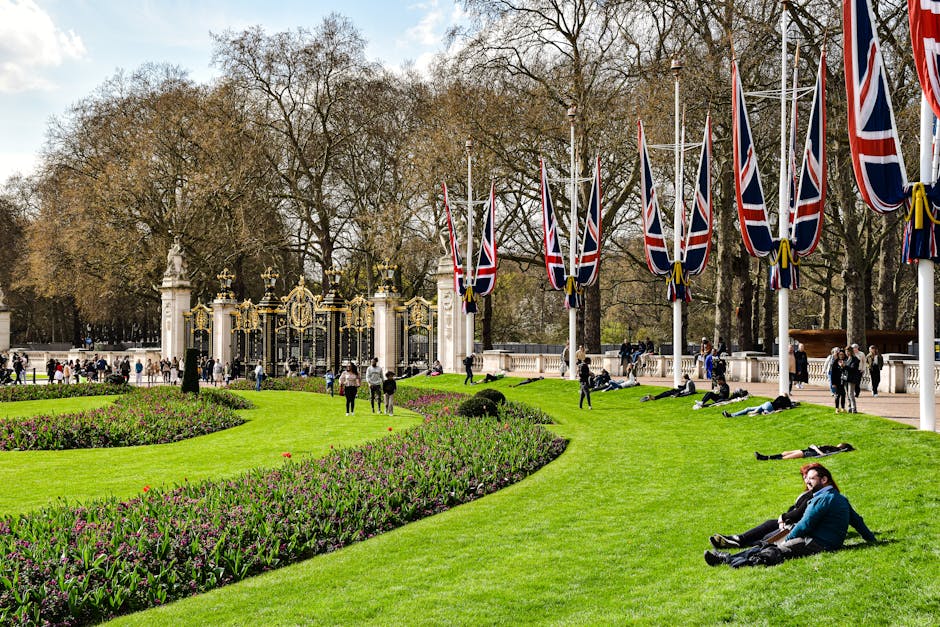
Buckingham Palace Area Gardeners Small Garden Solutions SW1A
If you are looking for Buckingham Palace area gardeners small garden solutions SW1A, you are probably dealing with the same challenge many central London homeowners and property managers face: how do you make a tiny outdoor space feel calm, useful, and well cared for without crowding it? In SW1A, gardens are often compact, shaded, overlooked, or simply awkwardly shaped. The good news is that a small garden can still feel smart, welcoming, and surprisingly generous with the right approach.
This guide walks through practical solutions that work in real-world Westminster conditions. We will look at layout, planting, maintenance, privacy, hard landscaping, and the everyday decisions that make a small garden easier to live with. To be fair, a modest space often needs more thought than a larger one. But once the basics are right, the result can be lovely.
For broader service context, you may also find our services overview useful, along with our pages on garden maintenance and landscape gardening.
Table of Contents
- Why Buckingham Palace area gardeners small garden solutions SW1A Matters
- How Buckingham Palace area gardeners small garden solutions SW1A Works
- Key Benefits and Practical Advantages
- Who This Is For and When It Makes Sense
- Step-by-Step Guidance
- Expert Tips for Better Results
- Common Mistakes to Avoid
- Tools, Resources and Recommendations
- Law, Compliance, Standards, or Best Practice
- Options, Methods, or Comparison Table
- Case Study or Real-World Example
- Practical Checklist
- Conclusion
- Frequently Asked Questions
Why Buckingham Palace area gardeners small garden solutions SW1A Matters
Small gardens in the Buckingham Palace area are rarely plain or easy. They often sit behind period terraces, near busy roads, or within tightly managed properties where every square metre counts. That means the wrong plant, the wrong layout, or even a slightly heavy-handed maintenance routine can make the whole space feel cramped. The right solution does the opposite. It opens the garden up.
In an area like SW1A, people usually want more than a neat lawn and a few pots. They want privacy from nearby windows, year-round greenery, and a garden that does not demand endless effort. They may also need a space that works for morning coffee, quiet reading, container growing, or simply a better view from the kitchen window. That mix of beauty and practicality is exactly where specialist small garden planning earns its keep.
There is also a local reality here: central London gardens face pollution, variable light, restricted access, and sometimes storage limits for tools and materials. So the best approach is not to imitate a suburban garden. It is to design for the space you have. That is the whole point.
How Buckingham Palace area gardeners small garden solutions SW1A Works
Small garden work usually begins with an honest assessment. Not a dreamy one. A practical one. Good gardeners look at sunlight, shade, drainage, sightlines, access, and how the space is actually used day to day. Then they build a plan around those facts. Simple, but not simplistic.
A smart small-garden solution in SW1A often combines four layers:
- Structure - the bones of the garden, such as paths, edging, raised beds, screens, or a compact seating area.
- Planting - selected for light levels, seasonal interest, and scale, so the garden feels balanced rather than cluttered.
- Maintenance rhythm - regular cutting, pruning, watering, feeding, and tidy-up work to keep growth under control.
- Visual tricks - repetition, layered heights, reflective surfaces, and clean lines that create a sense of depth.
In practice, that might mean replacing a tired patch of lawn with paving and containers, lifting the canopy of a small tree, or using evergreen planting to keep the garden looking settled through winter. Sometimes it means reducing the number of plant varieties altogether. Less can really be more in a confined space.
If the site has overgrown borders or clutter from previous planting, a controlled reset can help. Our garden clearance service is often the first step before a redesign or fresh planting plan.
Key Benefits and Practical Advantages
The best small garden solutions are not just about appearances. They change how the space functions. Here are the main gains people tend to notice after a well-planned update.
- More usable space - careful layout creates room to sit, walk, and enjoy the garden without constantly moving things around.
- Better visual balance - slim planting, sensible heights, and clear edges stop the space from feeling boxed in.
- Less maintenance stress - a simpler design is usually easier to keep tidy, especially for busy households or managed properties.
- Improved privacy - layered planting, trellis screening, and selective hedge work can soften overlooking windows.
- Year-round appeal - evergreen structure, bark textures, bulbs, and seasonal colour keep the garden from looking bare in winter.
- Better property presentation - a compact but polished garden can make a strong impression from the house and beyond.
Expert summary: In small SW1A gardens, the win is usually not a dramatic redesign. It is the careful removal of clutter, the right scale of planting, and maintenance that keeps the garden feeling intentional instead of busy.
One thing worth saying plainly: a tiny garden does not need to be filled. It needs to be composed.
Who This Is For and When It Makes Sense
This kind of work suits a wide range of people in and around the Buckingham Palace area. You may be a homeowner with a courtyard that never quite feels finished. You may manage a rental property or serviced residence where presentation matters every week. Or you might simply have a tucked-away garden that has become overgrown and difficult to enjoy.
It also makes sense if any of these sound familiar:
- Your garden looks smaller once plants grow in and block the edges.
- The space gets little sun and needs shade-tolerant planting.
- You want privacy without building a hard, heavy barrier.
- You need the garden to be tidy with limited upkeep.
- Previous planting choices have made the space feel crowded.
- You are planning to sell, let, or simply improve the property's everyday feel.
Sometimes people wait until a small garden is nearly unmanageable before asking for help. Fair enough, it happens. But the earlier the right structure is put in place, the easier the whole thing becomes. Even a short seasonal visit can make the space feel much more controlled.
For ongoing support, a consistent garden maintenance schedule can prevent the common cycle of overgrowth, cutting back, and re-overgrowth. A familiar story in central London, honestly.
Step-by-Step Guidance
If you are planning a small-garden refresh in SW1A, it helps to work in stages. That keeps costs sensible and reduces the risk of making rushed decisions. Here is a practical sequence that tends to work well.
- Measure the usable space
Not just the full footprint. Note where the sun falls, where people naturally walk, and which areas feel dead or awkward. - Remove visual clutter first
Old pots, broken furniture, dense self-seeded growth, and tired edging can make a space look half its size. Clearing these early gives you breathing room. - Decide the main function
Will it be a sitting area, a planting garden, a family space, or a private retreat? A small garden usually works best when it has one clear job and one secondary role. - Choose a simple layout
Linear paths, raised edges, or one compact paved zone often read more cleanly than multiple tiny fragments. - Select plants by height and light
Use lower planting near edges and taller material only where it adds privacy or framing. Keep the centre light and open where possible. - Add containment
Containers, narrow beds, or raised planters help manage roots and make maintenance easier. - Set a maintenance routine
Agree a rhythm for pruning, feeding, watering, sweeping, and seasonal checks before the garden gets away from you again.
A small garden does not need a complicated masterplan. It needs a sequence that respects the space. That is usually enough to turn frustration into something you genuinely use.
Expert Tips for Better Results
These are the little things that separate an average small garden from one that feels quietly polished. Not flashy. Just right.
- Use repetition wisely - repeating a few materials or plant types creates calm. Too many textures can make the area feel busy.
- Keep edges crisp - neat lawn lines, clean paving edges, and trimmed borders do more than people expect.
- Think vertically - wall-trained planting, slim screens, and climbing plants use height without swallowing floor space.
- Choose container sizes carefully - oversized pots can look impressive but overpower a tiny garden. Medium and slim formats are often more forgiving.
- Do not ignore drainage - in small spaces, a soggy corner or poorly graded path becomes annoying fast.
- Mix evergreen with seasonal interest - a good winter structure means the garden still looks alive in January.
One practical detail people miss: the view from inside the house matters as much as the view in the garden. If the kitchen window shows a jumble of containers and tired stems, the garden will feel smaller even if the layout is technically fine.
If you want stronger boundaries without heavy construction, see whether selective hedge work can help. Our hedge trimming service is useful where a living screen needs to stay slim, tidy, and healthy.
Common Mistakes to Avoid
Small gardens are surprisingly easy to overcomplicate. Here are the mistakes that come up again and again.
- Overplanting - the garden looks full on day one and cramped by month six.
- Using too many materials - several paving finishes, mixed edging styles, and random pots can make the space look chopped up.
- Ignoring maintenance access - if you cannot reach the back of a bed or move a container, it will become a nuisance.
- Choosing plants for appearance alone - beautiful is good, but if the plant hates shade or outgrows the bed, it becomes a problem.
- Blocking light unnecessarily - high, dense screening can make an already small garden feel like a corridor.
- Leaving old features in place - a broken bench, dead shrub, or warped sleeper can dominate the whole space visually.
Truth be told, the biggest mistake is trying to do too much at once. A garden that is a bit simpler, a bit cleaner, and a bit more intentional usually looks better than one packed with ideas.
Tools, Resources and Recommendations
You do not need every gadget on the market to manage a small garden well. In fact, that would be slightly ridiculous. The better approach is to keep a focused kit and use services where specialist work is needed.
| Need | Useful approach | Why it helps in a small SW1A garden |
|---|---|---|
| Routine tidiness | Light, regular maintenance | Prevents small jobs from becoming bulky weekend projects |
| Simple lawn care | Compact mowing and edging | Clean edges make the space feel sharper and more open |
| Controlled structure | Raised beds, containers, or slim borders | Keeps planting contained and easier to manage |
| Privacy | Selective screening or hedge work | Softens overlooking without blocking all light |
| Major reset | Clearance before redesign | Removes old growth and reveals the true shape of the space |
Depending on the condition of the garden, useful support may include lawn mowing for tight, tidy grass areas, tree lopping and removal where a tree is overshadowing the space, and landscaping when the layout itself needs rethinking.
It is also sensible to ask about practical working arrangements, access, and how waste is handled. If sustainability matters to you, our recycling and sustainability page explains the approach in plain language.
Law, Compliance, Standards, or Best Practice
Small-garden work in central London is usually straightforward, but there are still sensible standards to follow. If trees are involved, for example, you need to be careful about ownership, root disturbance, and whether any local restrictions apply. For larger pruning or removal tasks, a cautious assessment is always the right start. Nobody wants a tidy garden and an unwanted dispute. That would spoil the mood rather quickly.
Good practice also matters for safety. Tools should be used properly, waste should be moved without blocking access, and any work involving height, sharp equipment, or heavy materials should be handled by people who know what they are doing. For clients, it is reasonable to ask whether a contractor is insured and how they manage site safety. Our insurance and safety page sets out the kind of reassurance that should be available before work begins.
If you are arranging recurring visits, you may also want to review how service terms, payments, and scope are explained. That does not need to be dramatic. It just needs to be clear. A straightforward agreement protects both sides and avoids confusion later. For that, see terms and conditions and payment and security.
Where property access or garden use affects neighbours, a bit of courtesy goes a long way. Quiet timing, tidy boundaries, and careful disposal are all part of good central London practice, even if no one writes them into a rulebook.
Options, Methods, or Comparison Table
Not every small garden solution has to be permanent or highly built. The right choice depends on budget, the condition of the garden, and how often you want to maintain it. Here is a simple comparison.
| Method | Best for | Pros | Trade-offs |
|---|---|---|---|
| Container-led design | Very small patios and courtyards | Flexible, tidy, easy to refresh | Needs watering and periodic replanting |
| Raised bed layout | Spaces needing structure and containment | Clear edges, improved access, neat planting zones | Can reduce floor space if overused |
| Soft landscaping with shrubs | Gardens needing privacy and depth | Natural look, seasonal interest, good screening | Can become dense if pruning is neglected |
| Hard landscaping emphasis | Low-maintenance outdoor rooms | Easy to keep tidy, good for seating and movement | Needs careful design to avoid looking stark |
| Full clearance and redesign | Overgrown or poorly arranged gardens | Fresh start, easier long-term planning | More disruption at the beginning |
For some properties, a mix of methods is best. A small paved area, a slim planted edge, and one feature screen can be enough. That is often the sweet spot. Not too busy, not too bare.
If you are considering structural changes or a more complete refresh, our decking services may suit gardens where a clean, usable surface is more practical than a lawn. Not every small space wants grass, and that is fine.
Case Study or Real-World Example
Imagine a compact SW1A courtyard that has become a bit of a catch-all: one tired shrub, several mismatched pots, a patchy strip of grass, and very little sense of shape. The owner wants somewhere to sit in the morning and enough greenery to feel private, but not a garden that demands constant weekend work.
The solution is not dramatic. First, the space is cleared and the weak planting removed. Then the layout is simplified into a small seating zone and two narrow planted margins. One side gets evergreen structure for year-round shape, while the other uses lighter, seasonal planting to keep the garden from feeling heavy. A small tree or tall shrub is only kept if it earns its place by adding height without stealing the light.
Once the garden is reset, regular maintenance keeps it looking composed. A quick edge cut, pruning at the right time, and tidy container rotation do most of the work. The result is not a show garden. It is better than that for many people: easy to use, pleasant to look at, and manageable on an ordinary week. That is the real win.
We have seen this pattern often enough to know that the smallest spaces can feel the most transformed. Sometimes all it takes is clarity. And a slightly ruthless pruning cut, let's be honest.
Practical Checklist
Use this checklist if you are planning a small-garden improvement in the Buckingham Palace area.
- Identify the main purpose of the garden.
- Check where the light falls across the day.
- Note any drainage issues or awkward corners.
- Remove clutter, dead growth, and unused items first.
- Keep the layout simple and easy to move through.
- Choose plants that suit the available light and scale.
- Use one or two main materials rather than many.
- Include at least one privacy solution if the garden is overlooked.
- Plan maintenance before the work is finished.
- Ask about insurance, safety, waste handling, and ongoing care.
If your garden needs a tidy reset before any of this can happen, start with a clear look at the existing structure and debris. Once the space is visible again, the design decisions become much easier. Funny how that works.
Get a free quote today and see how much you can save.
Conclusion
Buckingham Palace area gardeners small garden solutions SW1A are really about making a small space feel calm, useful, and worth stepping into. In a part of London where gardens are often compact and tightly framed by surrounding buildings, the best results come from simple structure, disciplined planting, and maintenance that stays ahead of the mess.
Whether you need a quick refresh, a seasonal tidy, or a more involved redesign, the key is to think in terms of scale and restraint. A small garden does not need to shout. It needs to work beautifully in the background, day after day, season after season.
If you want to learn more about the people behind the service, visit our about us page or use the contact us page to begin a conversation. Sometimes the best garden improvements start with one very practical chat.
And once the space is settled, it has a quiet way of giving something back every time you open the door.
Frequently Asked Questions
What are the best small garden solutions for SW1A properties?
The best solutions usually combine simple layout changes, contained planting, and regular maintenance. In SW1A, space is tight, so the aim is to keep the garden open, tidy, and easy to live with rather than overly packed.
How do gardeners make a tiny garden look bigger?
They usually use clear edges, a restrained plant palette, vertical interest, and a layout that keeps the centre of the garden visually open. Repetition and tidy lines help more than most people expect.
Is a lawn a good idea in a very small garden?
Sometimes, but not always. Small lawns can look charming, yet they also need cutting, edging, and watering. In many compact gardens, paving or planting-led solutions are more practical.
How often does a small central London garden need maintenance?
That depends on the planting and use, but many small gardens benefit from regular light maintenance rather than occasional big clear-ups. A steady rhythm tends to keep everything under control.
What if the garden is shaded by nearby buildings?
Shade-tolerant planting, lighter surfaces, and better use of structure can help a lot. Shady gardens can still feel elegant. They just need the right plant choices, not sun-loving plants forced into the wrong place.
Can a small garden still provide privacy?
Yes. Privacy can be created with layered planting, carefully chosen hedging, trellis screens, or taller containers. The trick is to soften overlooking without making the space feel boxed in.
Should I clear everything before redesigning a small garden?
Usually, yes if the garden is overgrown or cluttered. Clearance helps reveal the true shape of the space and makes planning much easier. It also avoids designing around old problems.
What materials work best in compact outdoor spaces?
Clean paving, neat edging, simple timber or stone details, and well-sized containers often work well. The best material choices are the ones that create order without dominating the garden.
Do small gardens need professional help, or can I manage them myself?
Some people manage fine on their own, especially with simple planting. But if the space is overgrown, awkwardly shaped, or needs structural changes, professional help can save time and avoid costly mistakes.
How do I choose between landscaping and ongoing maintenance?
If the garden is fundamentally fine but just messy, maintenance may be enough. If the layout, surfaces, or structure are the problem, landscaping is usually the better starting point. Many gardens need a bit of both.
What should I ask before hiring a gardener for a small SW1A garden?
Ask about experience with compact spaces, how they handle safety and waste, whether they are insured, and what sort of maintenance the garden will need after the work is done. Clear answers are a good sign.
Is it worth investing in a small garden in central London?
Usually, yes. Even a modest outdoor space can improve day-to-day enjoyment and property presentation. A well-designed small garden often gives more value than people expect because it is used so often and seen every day.