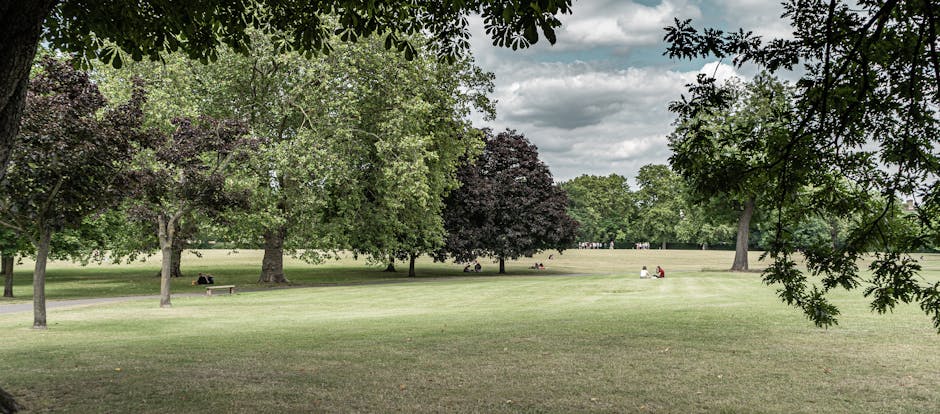
What to know about access for gardeners in Westminster flats
If you live in a Westminster flat, the gardening itself is often the easy part. The real challenge is access: getting a gardener in, through, and out again without upsetting neighbours, missing delivery windows, or discovering the lift is out of order just as the hedge trimmer arrives. That sounds small until you are the one trying to coordinate it on a wet Tuesday morning.
This guide explains what to know about access for gardeners in Westminster flats in plain English. We will look at how access usually works, what matters most in shared buildings, the common snags people forget, and the practical steps that make everything run more smoothly. If you are weighing up regular care or a one-off tidy-up, it is worth understanding the access side first. It saves time, money, and a fair bit of faff.
For a broader view of the services that often sit alongside access planning, you can also explore the services overview and the more regular garden maintenance option.
Table of Contents
- Why access for gardeners in Westminster flats matters
- How access usually works
- Key benefits and practical advantages
- Who this is for and when it makes sense
- Step-by-step guidance
- Expert tips for better results
- Common mistakes to avoid
- Tools, resources and recommendations
- Law, compliance, standards, or best practice
- Options, methods, or comparison table
- Case study or real-world example
- Practical checklist
- Conclusion
- Frequently asked questions
Why access for gardeners in Westminster flats matters
In a flat, the garden is rarely just "the garden". It may be a courtyard behind a secure door, a shared roof terrace, a small balcony planter area, or a communal front patch that needs careful timing around residents. Access shapes the entire job. If the gardener cannot reach the space easily, then even routine work like mowing, hedge trimming, or garden clearance becomes slower and more disruptive.
Westminster adds its own flavour to the mix. There are period conversions, mansion blocks, newer developments, and buildings with concierge desks, coded gates, basement storage areas, narrow internal corridors, and lifts that are not always generous with space. You can almost hear the clatter of a trolley on stone floors before the work even begins. A gardener who understands this setup will plan differently from someone used to a suburban side gate and a driveway.
Why does that matter so much? Because access affects:
- how quickly the work can start
- what tools can realistically be brought on site
- whether waste can be removed in one visit or several
- how much disturbance neighbours experience
- whether the job is safe for both residents and the gardening team
It also affects the quote. A straightforward patio planter refresh is not the same as a heavy clearance job through three locked doors and two lifts. To be fair, that is not a problem; it just needs planning. If you want to understand how service scope and access often sit together, the garden clearance and lawn mowing pages show the kinds of jobs that are often shaped by access conditions.
How access usually works
Access arrangements for gardeners in Westminster flats usually fall into one of a few patterns. The building might have a resident-only entrance, a fob system, a concierge who can let contractors through, or a communal access point that has to be booked in advance. In some cases, the gardener works with the resident directly. In others, the management company, porter, or building office is involved.
The actual process is normally simple on paper:
- The resident describes the garden space and how the gardener can reach it.
- The gardener checks whether tools, plant waste, and any larger materials can be brought in and removed safely.
- Entry times are agreed, especially if the building has set contractor windows.
- Keys, fobs, escorts, or intercom details are arranged in advance.
- The work begins with a quick walkthrough so everyone knows what is being done and what needs protecting.
The tricky bit is that every building has its own little quirks. One Westminster block may be fine with direct entry if residents notify the concierge. Another may require a contractor sign-in, visible ID, and strict time slots for shared areas. Sometimes the lift is too small for bulky equipment, so the team needs to carry items via stairs. Sometimes the only decent access is through a basement route that is dry in summer and awkward in winter. Small details, big difference.
Good access planning also includes the "exit" side of the job. Garden waste does not magically disappear. If there is no clear route out, bags may need to be moved in stages. That can be fine, but everyone should know it upfront. If the job involves heavy cuttings or a larger tidy-up, it may be worth combining access planning with a service like garden clearance so waste removal is part of the plan rather than an afterthought.
Expert summary: In flat-based gardening, access is not just an admin detail. It is part of the job design. The smoother the entry, the safer the work and the cleaner the finish.
Key benefits and practical advantages
When access is arranged properly, everyone feels the difference. The gardener is not guessing, residents are not repeatedly interrupted, and the space gets the right level of care without unnecessary drama. Simple, really. But worth spelling out.
Less disruption for residents
Flat living is close-quarter living. A gardener carrying tools through shared hallways during peak commuter hours is never ideal. Good access planning reduces noise, repeated door opens, and awkward moments in the lift. That matters if you share the building with families, older residents, or people working from home.
Faster, more efficient work
When the route in is clear, the team can spend their time actually gardening. That means better value and better results. No wasted time waiting at a door. No back-and-forth messages asking who has the fob. No improvised detours around locked courtyards.
Better safety
Many gardening tasks are straightforward outdoors, but access hazards are not always outdoors. Shared stairs, slippery entrances, low lighting, and awkward corners can all create risk. If the route is known in advance, the team can plan equipment handling and waste movement more safely. The same applies to jobs involving trees or heavier cutting; if access is restricted, it may be sensible to review insurance and safety information before the visit.
Cleaner, more professional-looking results
It sounds obvious, but access changes the quality of the finish. A gardener who can bring in the right tools and remove debris properly will usually leave a tidier space. That is especially noticeable in small courtyards and balconies, where one missed bag of clippings can make the whole place feel untidy. Nobody wants the basil pots stepping over spent leaves for three days.
Better planning for regular care
Once a building's access is understood, future visits become easier. That is where ongoing services such as garden maintenance become a lot more practical. Repeat visits tend to work best when the access route, building rules, and resident contact details are already settled.
Who this is for and when it makes sense
This topic matters to a pretty wide group of people, not just landlords or building managers. If you live in a flat and want plants, planters, a shared courtyard, or a communal garden area kept under control, access planning is for you too. It is one of those unglamorous bits that suddenly becomes very glamorous when it saves you from a missed appointment.
It usually makes sense if you are:
- a flat owner with a private terrace or balcony garden
- a tenant responsible for maintaining an allocated outdoor space
- a managing agent arranging gardening for communal areas
- a landlord preparing a flat between tenancies
- a residents' association coordinating regular garden care
- a concierge or porter helping contractors get in and out efficiently
It is especially important when the job involves more than a quick tidy. For example, hedge trimming on a rooftop terrace, replacing heavy pots, moving waste bags through shared halls, or accessing a garden area behind secure gates. In those cases, access planning is not optional. It is part of the practical brief.
If the outdoor area is being redesigned rather than simply maintained, the conversation gets broader. Services like landscape gardening, landscaping, and even decking services can all require more detailed access planning because materials, tools, and working space become more demanding.
Step-by-step guidance
Here is a practical way to handle access for gardeners in Westminster flats without overcomplicating it.
1. Describe the access honestly
Start with the truth, not the ideal version. Say whether the space is through a lobby, side gate, lift, basement, rear courtyard, or coded entrance. Mention any known issues: tight corners, steps, no parking, or restrictions on contractor hours. The more honest the first description, the fewer surprises later.
2. Confirm building rules before booking
If there is a managing agent, concierge desk, or residents' office, check whether contractors need advance notice. Some buildings want vehicle registration, ID checks, or specific time windows. A quick call or email now is easier than a stand-off at the front door later. And yes, it does happen.
3. Decide how the gardener will enter
There are usually a few choices: a resident meets the gardener, a concierge grants access, a lockbox or coded fob is used, or an escorted entry is arranged. Choose the least awkward option that still keeps the building secure. If the gardener is expected to return regularly, consistency helps.
4. Check what can be carried in and out
Some flat access routes are fine for hand tools and light bags, but not for larger equipment or heavy waste. If you are booking mowing, trimming, or clearance work, ask what size of equipment the team will need. Better still, ask how they plan to move clippings out. It is a small question that prevents a lot of heavy lifting later.
5. Protect shared areas
If tools pass through hallways, mats, dust sheets, or careful bagging may be useful. A good gardener will already think about this, but residents can help by clearing the route, holding doors where appropriate, and giving warning of fragile items near entrances. A little bit of preparation goes a long way.
6. Build in time for the unexpected
Let's face it: buildings do not always cooperate. A lift may be unavailable, a neighbour may be moving furniture, or a delivery van may block the service entrance. Leave some breathing room. The best jobs are often the ones that look calm because someone planned for the messy bits.
7. Review access after the first visit
After the first appointment, ask what worked well and what did not. Was the entrance too narrow for wheelbarrows? Did the concierge need more notice? Did waste removal take longer than expected? Use that feedback to improve the next visit. This is one of the easiest ways to turn a one-off job into a smooth long-term arrangement.
Expert tips for better results
Here are the little things that make a large difference in real buildings. Not flashy. Just useful.
- Send photos of the access route. A few quick phone pictures of gates, stairs, lifts, and the garden entrance often tell a gardener more than a long message.
- Keep one contact person in charge. Too many decision-makers can slow everything down. One person should confirm access and timings.
- Ask about parking and unloading separately. A gardener may be able to reach the garden, but unloading tools from the vehicle may still be a headache.
- Clear valuables and fragile items from the path. Especially in communal corridors or on terraces with furniture, lanterns, and pots packed close together.
- Think about weather. Rain makes access routes slippery, and Westminster pavements can be busy first thing in the morning. Slightly annoying, but true.
- Match the job to the access route. Heavy pruning or large-scale clearance may be better scheduled for a day with more building access and fewer residents around.
For plant-heavy balconies and small terraces, regular trimming is usually easier than letting everything run wild and then trying to fix it in one heroic session. Heroic gardening looks good in theory. In practice, it is just more work. If the space has taller shrubs or boundary growth, hedge trimming can be scheduled with access in mind so the job stays tidy and manageable.
Common mistakes to avoid
Most access problems are avoidable. They are usually not disasters; they are just planning gaps. The kind that make a simple job feel oddly complicated.
- Assuming the concierge knows the booking. Always confirm. Buildings are busy, and messages get missed.
- Forgetting about waste removal. A neat cut is only half the job if the cuttings have nowhere to go.
- Not mentioning tight stairwells or lifts. These matter a lot for tools and materials.
- Booking at the wrong time of day. School-run traffic, commuter peak, and delivery windows can all interfere.
- Ignoring neighbours. Shared buildings work better when residents know there will be short bursts of noise or movement.
- Leaving key handovers to memory. Use a note, a message, or a clear checklist. Memory is decent. Not perfect.
One common issue in Westminster flats is underestimating how much time it takes to move equipment between floors or through secure entry points. A job that takes 90 minutes on a house with garden access may take longer in a flat, and that is normal. The mistake is pretending otherwise. A better approach is to tell the gardener the full story early.
Tools, resources and recommendations
You do not need a complex system to get access right. A few simple tools and habits are usually enough.
Useful practical items
- a site note with the access route and any codes or instructions
- photos of the entrance, lift, and garden boundary
- a contact name and phone number for the day
- protective mats or covers for shared entrances if needed
- bags or bins for waste collection if the building requires tidy removal
Helpful service planning points
If the garden is part of a broader property refresh, it may be smart to line up access with other tasks. For example, a tidy outdoor area can be paired with lawn mowing or more structural improvements under landscape gardening. If the space has become overgrown or cluttered, starting with garden clearance can make later maintenance much easier.
Internal pages worth reading before you book
If you want to understand how the business handles service quality, it can also be useful to review health and safety policy, insurance and safety, recycling and sustainability, and pricing and quotes. Those pages give a clearer sense of how jobs are structured, what standards matter, and how waste or payments are handled.
Law, compliance, standards, or best practice
Access for gardeners in Westminster flats sits in a practical space where property rules, safety practice, and building management all overlap. There is not one single rulebook that covers every building, so the safest approach is to follow the building's own access conditions, respect any resident agreements, and use sensible contractor procedures.
In the UK, shared buildings commonly expect contractors to sign in, carry identification, and keep communal areas clear. That is not unusual at all. Some blocks also have requirements for waste movement, noise timing, or use of lifts and service entrances. These are usually set by the building or managing agent rather than by the gardener.
From a best-practice point of view, a good gardening setup in a flat should aim to:
- minimise disturbance to residents and neighbours
- keep entry routes safe and unobstructed
- avoid damage to communal property
- handle tools and waste responsibly
- make access arrangements clear before the visit
For more detail on the company's approach to policies and standards, the pages on accessibility statement, health and safety policy, and terms and conditions are useful reference points. They help set expectations, especially where access needs extra care.
Options, methods, or comparison table
There is more than one way to manage access, and the best option depends on the building. A small private terrace in a block with a concierge is very different from a rooftop communal garden with one key and three sets of stairs. The table below gives a simple comparison.
| Access method | Best for | Advantages | Watch-outs |
|---|---|---|---|
| Resident meets gardener | Small flat gardens, first visits, simple jobs | Clear communication, easy walkthrough, fewer security concerns | Relies on someone being available on time |
| Concierge or porter entry | Managed buildings and regular visits | Professional, consistent, works well for repeat work | Needs advance notice and building cooperation |
| Fob, code, or key handover | Scheduled maintenance, familiar contractors | Efficient for regular jobs, less waiting | Security and return procedures must be clear |
| Escorted access | Highly secure buildings, special projects | Strong control over shared areas | Can slow the job and require more coordination |
| Staged access with waste collection later | Large clearances or awkward routes | Flexible, good where full removal is difficult | May need multiple trips or extra timing |
If you ask which is best overall, the honest answer is: the one that fits the building and keeps everyone informed. For most regular work, consistency beats cleverness every time.
Case study or real-world example
A typical Westminster scenario might look like this. A resident in a converted flat wants a small courtyard refreshed after winter. There is a locked side entrance, a narrow hallway, and a rear gate that only opens from inside. The garden itself is not large, but it has a few shrubs, a patch of tired grass, and a build-up of leaves in the corners.
At first glance, it sounds like a quick job. Then the access details start appearing. The gardener needs building entry arranged in advance, waste bags need to be carried back through the same route, and the rear gate must be checked before the work begins. Nothing dramatic. Just a string of little decisions.
In practice, the resident sends a couple of photos, confirms a 9 a.m. arrival window, and lets the concierge know the name of the contractor. The gardener arrives with compact tools rather than larger equipment, protects the hallway where needed, and removes waste in manageable loads. The work finishes on time because the access route was understood first.
That is the main lesson. Good access planning does not make the gardening more exciting, but it does make the outcome better. The plants look healthier, the building stays calmer, and the resident does not spend the whole morning chasing keys. Honestly, boring planning is underrated.
Practical checklist
Use this checklist before the gardener arrives. It keeps things simple and avoids last-minute scrambles.
- Have you explained exactly how the gardener gets in?
- Do you know whether a concierge, porter, or resident needs to be present?
- Have you checked building rules for contractor access times?
- Are keys, fobs, or codes ready and confirmed?
- Have you mentioned stairs, lifts, narrow corridors, or locked internal doors?
- Is there a clear place to unload tools or bags?
- Have you thought about waste removal and where it leaves the building?
- Have nearby residents been warned if there may be brief noise or movement?
- Have fragile items, bikes, prams, or furniture been moved from the route?
- Is there a contact number available on the day in case plans change?
Quick takeaway: if you can describe the route from street to soil in under a minute, the gardener will usually have a much easier time of it.
Conclusion
What to know about access for gardeners in Westminster flats comes down to one simple idea: the garden is only part of the job. In flats, access shapes timing, safety, cost, waste removal, and the final quality of the work. Get that part right, and everything else becomes much easier.
The good news is that access planning does not need to be complicated. A few photos, clear instructions, early communication, and a realistic sense of the building's rules are usually enough. Once that groundwork is in place, regular maintenance and one-off projects feel far less stressful.
So whether you are dealing with a tiny courtyard, a shared terrace, or a small green space that needs regular care, the smartest move is to plan access first and gardening second. Strange as it sounds, that is often what makes the garden feel calm, looked after, and properly loved.
Get a free quote today and see how much you can save.
And if you are still weighing up the best service fit, it can help to browse the company's about us page or get in touch through the contact options on the site. A short conversation now can save a much longer one later, which is usually the better deal.
Frequently Asked Questions
How do gardeners usually access Westminster flats?
Access is usually arranged through a resident meeting the gardener, a concierge or porter, a fob or code system, or an escorted entry process. The best option depends on the building's security and how often the work takes place.
Do I need to tell my building manager before booking a gardener?
Often, yes. Many Westminster flats have rules for contractor access, especially in managed blocks. It is wise to check first so the gardener is not left waiting at the door.
What should I tell the gardener about access?
Tell them how to enter, whether there are stairs or lifts, where to unload tools, any time restrictions, and how garden waste will leave the building. Photos are helpful too, and sometimes faster than a long description.
Can gardeners bring large equipment into a flat building?
Sometimes, but not always easily. It depends on the width of doors and corridors, lift size, and building rules. Compact tools may be more practical for some flats, while larger jobs may need extra planning.
What happens if the lift is out of order?
If the lift is unavailable, the job may still go ahead using stairs, but it may take longer and require smaller equipment loads. In some cases, the appointment may need to be rescheduled if the access route becomes unsafe or impractical.
How can I make access easier for a one-off garden clearance?
Clear the route in advance, confirm waste collection details, and tell the gardener how many bags or bulky items are expected. For larger jobs, a dedicated garden clearance approach is usually the simplest way to keep things organised.
Does access affect the price?
It can. A straightforward job with easy entry is usually quicker than one involving multiple doors, lifts, or waste-handling restrictions. That does not mean access issues are a problem, just that they should be mentioned early when requesting pricing and quotes.
Is it normal to use a concierge or porter for garden access?
Yes, very normal in Westminster apartment buildings. A concierge or porter can make access smoother, especially for regular maintenance, provided they are informed in advance.
What if the garden is only a balcony or roof terrace?
Then access is still important, perhaps even more so. Balcony and roof-terrace jobs often need careful tool selection, safe movement through shared areas, and clear waste removal plans.
How often should access details be reviewed?
Review them whenever the building rules change, when a new gardener starts, or after a visit that felt awkward or slow. For regular care, it is sensible to check the arrangement from time to time so nothing gets stale.
What services are most affected by access in flats?
Regular maintenance, hedge trimming, lawn mowing, clearance work, and larger landscaping jobs are the most affected. The more equipment and waste involved, the more important the access route becomes.
Can poor access damage the garden itself?
Indirectly, yes. If access is awkward, gardeners may have to use smaller tools, work more slowly, or return later for waste collection. That can affect timing and sometimes the finish, especially in small spaces where precision matters.